

 Facebook
 X
X
 Pinterest
 Copy Link
Buying a home is exciting. In fact, that’s exactly how it should feel. But excitement can sometimes make it easy to overlook details that could become expensive after closing.
Yesterday I shared a story about buyers who finally found the home they had been searching for. After weeks of looking, they were ready to move forward even though the home inspection revealed several concerns. Rather than ignoring those issues, we took the time to evaluate what they really meant, negotiated with the seller, and they still purchased the home while leaving themselves with money to make future repairs.
That experience reminded me of something I tell buyers often:
The goal isn’t simply to buy the house. The goal is to buy the right house at the right price.
Here are ten things I encourage every buyer to pay attention to before making an offer.
1. Water Is Almost Always the Biggest Enemy
Walk around the outside of the home.
Does the yard slope toward the house?
Are gutters overflowing?
Do you notice standing water or areas where erosion has occurred?
Water problems often become foundation problems if they’re ignored.
2. The Age of Major Systems
You don’t necessarily need a brand-new HVAC system or roof.
You do need to understand where those systems are in their expected lifespan. Replacing a roof or heating and cooling system shortly after moving in can significantly change the true cost of the home.
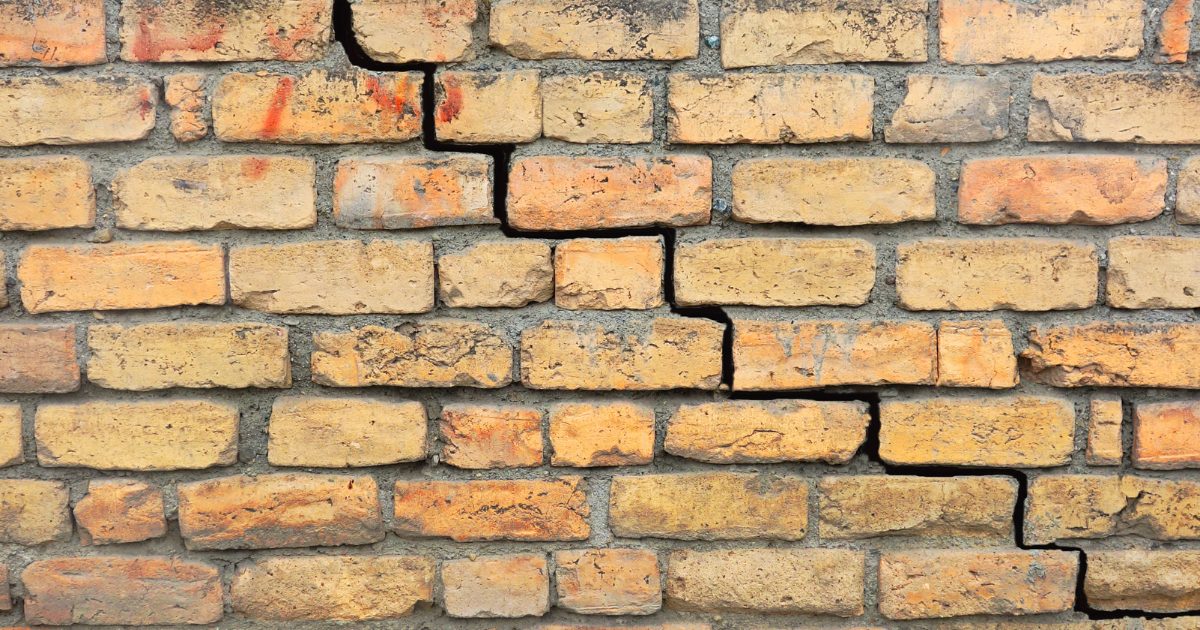
3. Cracks That Tell a Story
Not every crack is serious.
Many are simply part of a home’s normal settling.
The important question isn’t whether a crack exists. It’s whether it suggests ongoing movement or structural concerns.
4. Deferred Maintenance
One small project rarely worries me.
Ten small projects usually tell a different story.
When routine maintenance has been ignored over many years, there may be additional problems hiding beneath the surface.
5. Signs of Moisture
Stains on ceilings, soft flooring, musty odors, or mildew can all indicate moisture issues.
Sometimes the fix is simple.
Sometimes it’s much larger.
Knowing the difference matters.
6. Windows and Doors
Open and close them.
Do they operate smoothly?
Do they latch properly?
Difficulty operating windows and doors can sometimes indicate foundation movement or simply deferred maintenance.
7. Electrical Updates
Older electrical systems aren’t automatically bad.
However, understanding the age and condition of the electrical panel and wiring helps you prepare for future improvements and ensures the home meets your needs.
8. The Neighborhood
Spend time outside the property.
Drive through during different times of day.
Visit on a weekday and again on the weekend.
You’re buying more than a house. You’re buying into a neighborhood.
9. The Inspection Is Information, Not a Pass or Fail
One of the biggest misconceptions about home inspections is that they’re designed to tell you whether to buy a home.
They’re not.
They’re designed to help you understand exactly what you’re buying so you can make an informed decision.
10. Don’t Let Emotion Replace Good Judgment
It’s okay to love a home.
Just don’t let excitement keep you from asking questions or negotiating when appropriate.
Sometimes a simple conversation with the seller can save you thousands of dollars while still allowing you to purchase the home you’ve been dreaming about.
Final Thoughts
Every home has imperfections.
The key isn’t finding a perfect house.
It’s understanding the condition of the home, knowing what future expenses may look like, and making a decision you’ll still feel good about after moving day.
If you’re planning to buy a home in West Tennessee, I’d love to help you look beyond the beautiful kitchen and fresh paint to understand the whole picture.
You can also check out these related resources:
- Sometimes the Best Negotiation Happens After the Inspection (this week’s companion video)
- Paying More Isn’t Always Overpaying
- Questions Every Buyer Should Ask Before Making an Offer (related buyer resource)
