

 Facebook
 X
X
 Pinterest
 Copy Link
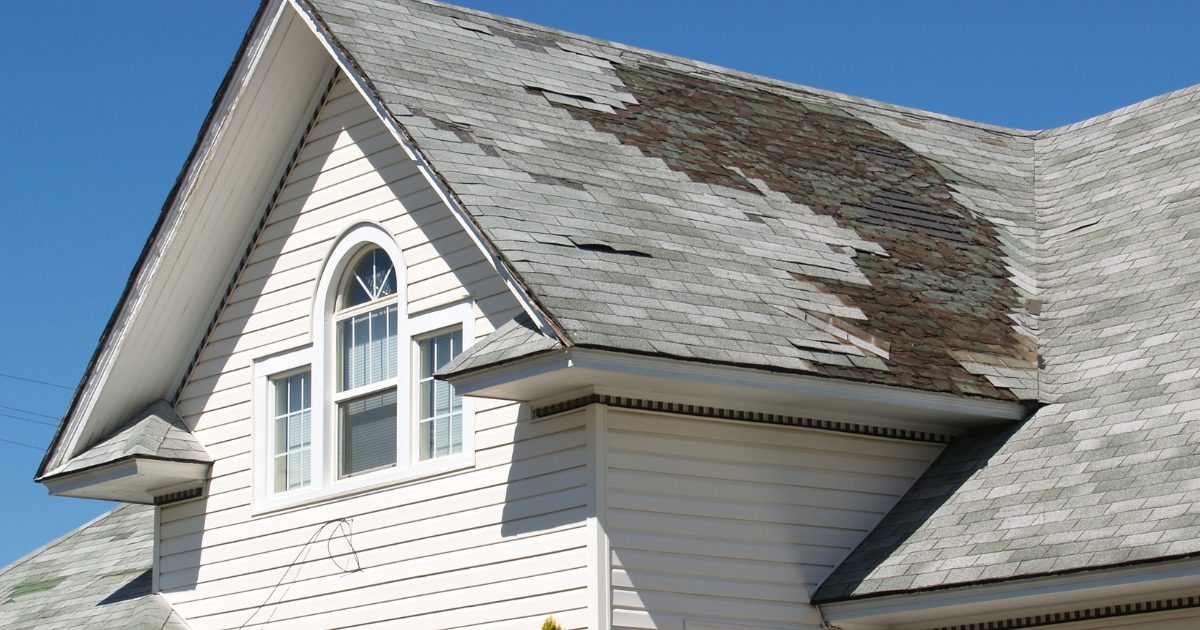
When homeowners discover that their house needs significant repairs, one of the first questions they may ask is:
“Can I just sell it as-is?”
Sometimes the answer is yes.
But selling a home as-is doesn’t make the condition of the property irrelevant. It simply means the seller is choosing to let the property’s current condition become part of the negotiation.
And that can affect much more than the price.
Buyers Still Get to Evaluate the Property
One misconception about selling as-is is that buyers simply have to accept whatever they find.
That’s not necessarily how a real estate transaction works.
The specific rights of the buyer and seller depend on the purchase agreement, but a buyer may still conduct inspections and evaluate whether the property’s condition works for them.
If an inspection uncovers substantially more than the buyer anticipated, that information can affect whether the transaction moves forward.
“As-is” doesn’t automatically eliminate a buyer’s concerns about condition.
The Cost of the Repair Isn’t Always the Same as the Cost to the Seller
Suppose a home needs $10,000 in repairs.
It’s tempting to assume that selling without making those repairs should simply mean reducing the price by $10,000.
Buyers don’t always look at it that way.
A buyer may consider the repair cost, but they may also think about uncertainty, inconvenience and the possibility that the project becomes larger once work begins.
Some buyers will be comfortable taking that on.
Others won’t.
That means an unrepaired condition can sometimes affect the home’s marketability by more than the estimated cost of the repair itself.
Financing Can Matter Too
Property condition can also affect the pool of potential buyers.
Depending on the type of financing and the condition involved, certain repairs may need to be completed for a property to meet a lender or loan program’s requirements.
That doesn’t mean every repair creates a financing problem.
It does mean sellers should understand whether a significant condition could limit which buyers are realistically able to purchase the property.
A smaller buyer pool can influence both marketing time and negotiating leverage.
Repair, Reduce the Price or Sell As-Is?
There isn’t one answer that’s right for every seller.
Before deciding, I think sellers should look at three things:
What is the likely cost of the repair?
Get enough information to understand the scope of the problem rather than guessing.
How could the condition affect buyers?
Consider not only what the repair costs, but whether buyers are likely to be comfortable taking the project on themselves.
What does the seller actually need from the sale?
A seller with plenty of equity and a priority of selling quickly may make a different decision than someone who needs to protect as much of their equity as possible.
Sometimes making the repair before selling makes sense.
Sometimes adjusting the price makes sense.
And sometimes selling as-is really is the best option.
Make It a Strategy, Not a Reaction
The important thing is making that decision with as much information as possible.
Discovering a significant repair can be frustrating, especially when you’re already preparing for a move. It’s tempting to say, “I’m not dealing with it. We’ll just sell it as-is.”
But that’s still a financial decision.
Before choosing that route, understand the repair, the likely buyer reaction and how the condition could affect your potential sale.
Selling as-is can absolutely be a strategy. It just shouldn’t be a substitute for understanding the problem.
If you’re preparing to sell a home in West Tennessee and aren’t sure whether it makes sense to repair something before listing, that’s a conversation worth having before you make the decision.
Jennifer Knolton, REALTOR®
Coldwell Banker Southern Realty
Real Estate, handled with care.
