

 Facebook
 X
X
 Pinterest
 Copy Link
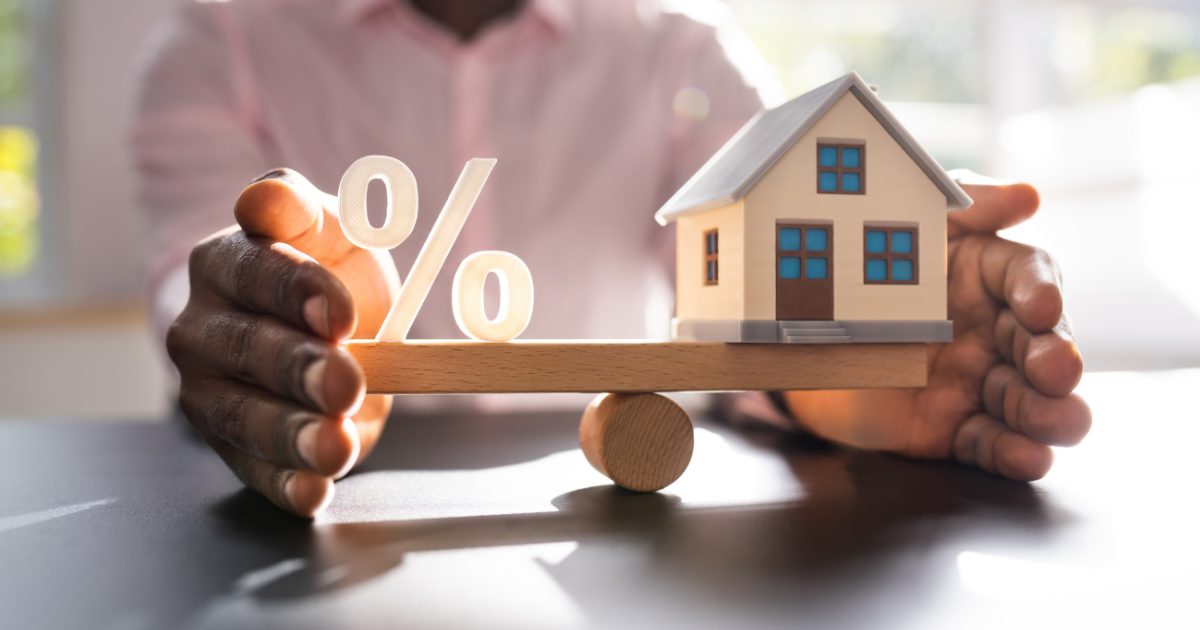
When buyers compare financing options, it’s easy for the interest rate to become the headline.
And for good reason.
A lower interest rate can reduce your monthly payment and significantly reduce the amount of interest you pay over the life of a loan.
But there’s another question worth asking:
What are you giving up to get that rate?
A Low Rate Has Real Value
Let’s start with something important: a low interest rate isn’t a gimmick.
If you can borrow the same amount of money at a lower rate with otherwise comparable terms, that’s valuable. Your payment will generally be lower, and less of your money will go toward interest.
The mistake isn’t appreciating a low rate.
The mistake is evaluating the rate without evaluating the rest of the transaction.
What Are You Paying for the Property?
Imagine finding a home with financing well below other rates available to you.
That’s going to get your attention.
But what if obtaining that financing requires you to pay considerably more for the property than you believe it’s currently worth?
Now there are two separate things to evaluate.
You have the value of the financing, and you have the value of the real estate.
Both matter.
A favorable financing arrangement can potentially justify paying some premium. But that doesn’t mean any premium makes sense simply because the rate is attractive.
You have to run the numbers.
Your Timeline Changes the Calculation
How long you expect to own the property can make a big difference.
Someone planning to own a home for 20 years may place significant value on locking in favorable long-term financing.
But what if you might need to sell in five years?
Now I want to know what your loan balance could look like at that point. I want to consider what the home might reasonably be worth under several different market conditions. And I want to account for the expenses you’ll likely have when you sell.
The question becomes more than:
“How much will this rate save me?”
We also need to ask:
“How much am I paying to get those savings, and how long will I have to benefit from them?”
Don’t Build the Decision Around Best-Case Appreciation
Another temptation is assuming future appreciation will solve today’s price difference.
Real estate has historically been a strong long-term wealth-building tool, but appreciation doesn’t happen evenly.
There can be periods of strong growth and periods when values remain relatively flat.
That’s why I prefer looking at more than one scenario.
What happens if the property appreciates nicely?
What happens if appreciation is modest?
And what happens if values stay relatively flat for a few years?
You don’t have to predict which scenario will happen.
You simply need to know whether you’re comfortable with the outcome if the most optimistic scenario doesn’t.
Look at the Whole Deal
Interest rate matters.
Purchase price matters.
Current property value matters.
Your monthly payment matters.
Your expected ownership period matters.
And your exit strategy matters.
None of those numbers should necessarily make the decision by itself.
Sometimes an unusually attractive financing opportunity really does make a property a great purchase.
Other times, once you look beyond the rate, you may decide the additional risk isn’t worth the savings.
Either answer can be the right one.
The important part is knowing what you’re agreeing to before you sign.
Don’t buy the rate. Evaluate the deal.
Real Estate, handled with care.
