Homeownership Tips & PlanningUncategorized July 24, 2026

The Home That Costs Less Isn’t Always the Better Deal

One of the biggest surprises for many homebuyers is realizing that the purchase price is only part of the cost of owning a home.

In fact, two homes with the exact same sale price can have dramatically different costs over the next five or ten years.

That’s why I encourage my buyers to look beyond the listing price before deciding which home offers the best value.

Look Beyond the Monthly Mortgage

Many buyers naturally focus on whether the monthly payment fits their budget. That’s important, but it’s only one piece of the picture.

Ask yourself:

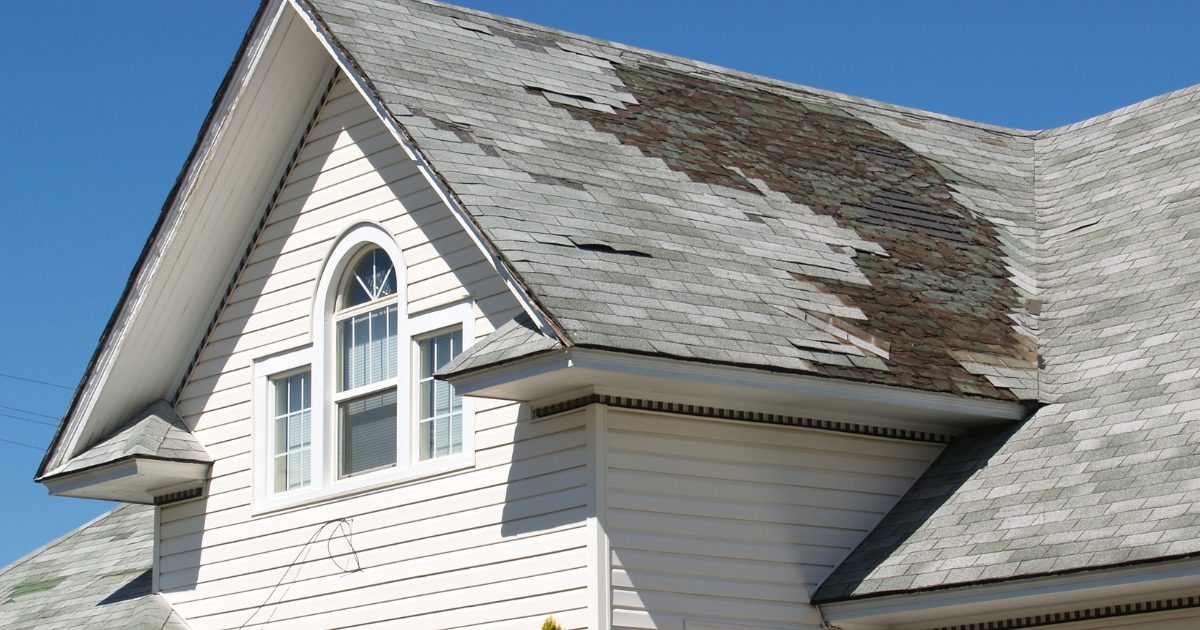
  • How old is the roof?
  • How old is the HVAC system?
  • Is the water heater nearing the end of its life?
  • Have the windows been updated?
  • Does the home appear well maintained?

A home with newer major systems may actually save you thousands of dollars over the first few years of ownership.

Utility Costs Matter

Square footage tells part of the story.

Efficiency tells the rest.

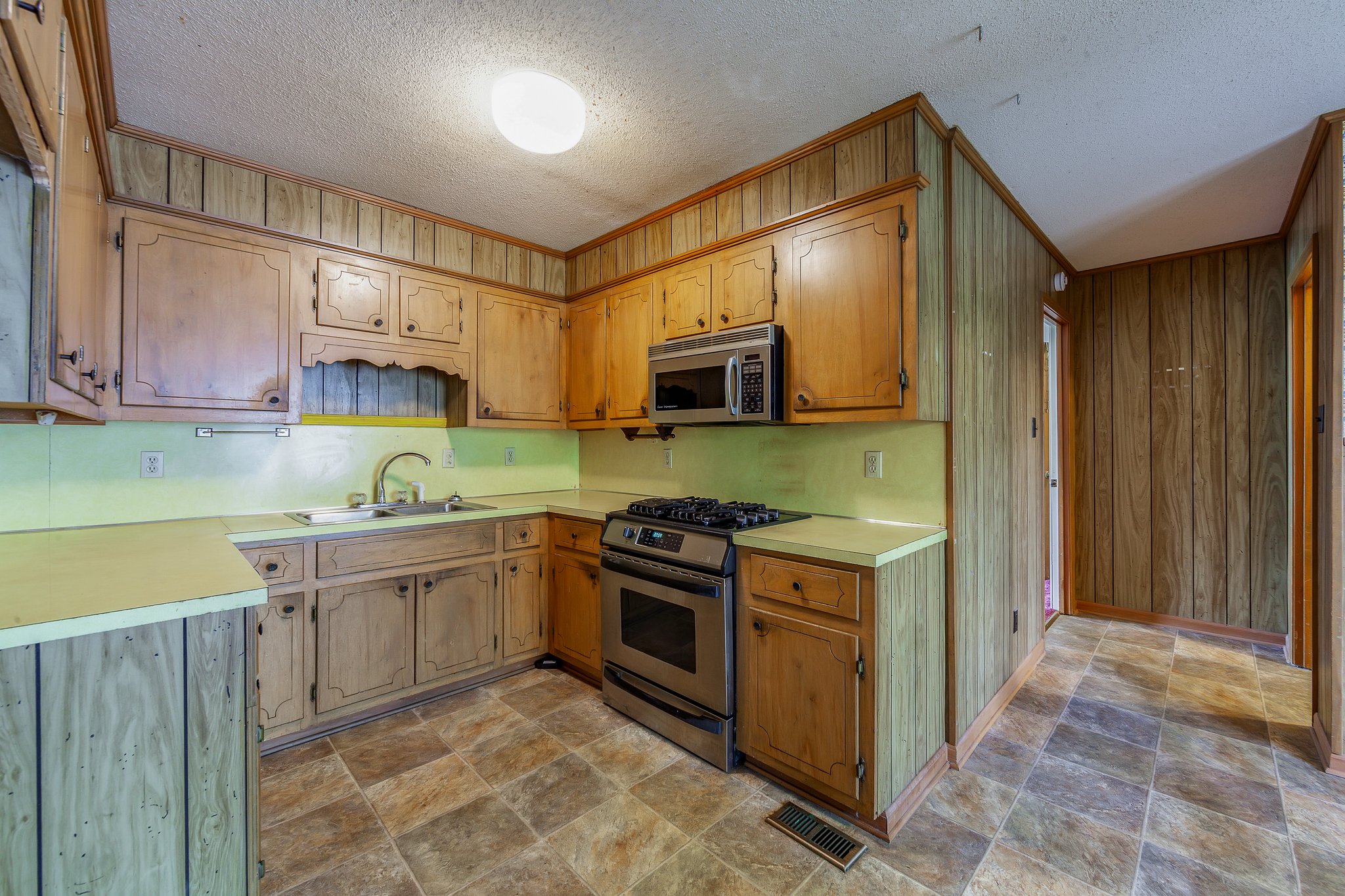
Older windows, poor insulation, outdated HVAC equipment, and aging appliances can significantly increase your monthly utility bills.

Sometimes the slightly more expensive home becomes the less expensive one to own.

Deferred Maintenance Adds Up

Every home requires maintenance.

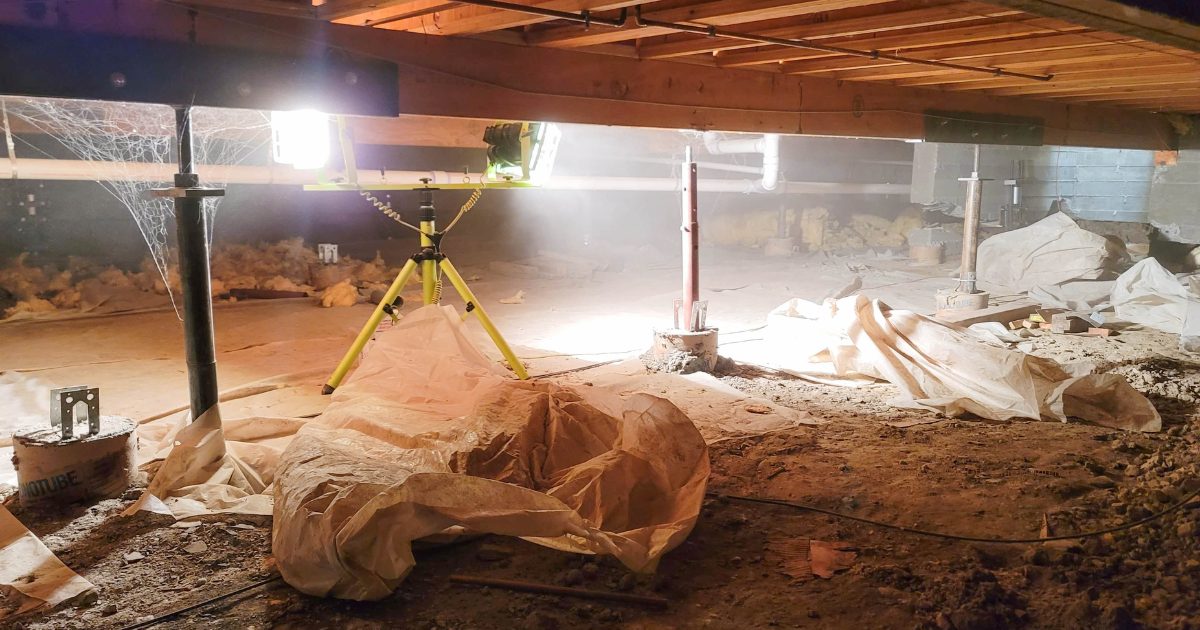
The difference is whether you’re paying for routine upkeep or catching up on years of neglected repairs.

Small projects can quickly become major expenses when they’ve been postponed for too long.

Insurance Can Vary More Than You Think

Age of the roof, construction materials, flood risk, location, and even the age of mechanical systems can influence homeowners insurance.

Before falling in love with a home, it’s worth getting an insurance quote so there are no surprises after closing.

Think About Your Lifestyle

The least expensive home isn’t always the best value if it adds costs elsewhere.

Ask yourself:

  • How much farther will I drive every day?
  • Am I farther from shopping or healthcare?
  • Will I spend more maintaining a larger yard?
  • Does this home fit my lifestyle five years from now?

Those answers matter just as much as the purchase price.

The Best Buy Isn’t Always the Lowest Price

Sometimes paying a little more upfront means spending much less over time.

Sometimes negotiating a lower purchase price makes perfect sense because future repairs are already on the horizon.

The goal isn’t finding the cheapest house.

The goal is finding the home that offers the best overall value for your situation.

Final Thoughts

Buying a home is one of the biggest financial decisions most people will ever make.

Looking beyond the asking price helps you make a decision you’ll feel good about long after closing day.

If you’re considering buying in West Tennessee, I’d love to help you evaluate the entire picture so you can make a confident decision.

Related Reading

Homeownership Tips & Planning July 22, 2026

10 Things to Notice Before You Fall in Love with a House

Buying a home is exciting. In fact, that’s exactly how it should feel. But excitement can sometimes make it easy to overlook details that could become expensive after closing.

Yesterday I shared a story about buyers who finally found the home they had been searching for. After weeks of looking, they were ready to move forward even though the home inspection revealed several concerns. Rather than ignoring those issues, we took the time to evaluate what they really meant, negotiated with the seller, and they still purchased the home while leaving themselves with money to make future repairs.

That experience reminded me of something I tell buyers often:

The goal isn’t simply to buy the house. The goal is to buy the right house at the right price.

Here are ten things I encourage every buyer to pay attention to before making an offer.

1. Water Is Almost Always the Biggest Enemy

Walk around the outside of the home.

Does the yard slope toward the house?

Are gutters overflowing?

Do you notice standing water or areas where erosion has occurred?

Water problems often become foundation problems if they’re ignored.

2. The Age of Major Systems

You don’t necessarily need a brand-new HVAC system or roof.

You do need to understand where those systems are in their expected lifespan. Replacing a roof or heating and cooling system shortly after moving in can significantly change the true cost of the home.

3. Cracks That Tell a Story

Not every crack is serious.

Many are simply part of a home’s normal settling.

The important question isn’t whether a crack exists. It’s whether it suggests ongoing movement or structural concerns.

4. Deferred Maintenance

One small project rarely worries me.

Ten small projects usually tell a different story.

When routine maintenance has been ignored over many years, there may be additional problems hiding beneath the surface.

5. Signs of Moisture

Stains on ceilings, soft flooring, musty odors, or mildew can all indicate moisture issues.

Sometimes the fix is simple.

Sometimes it’s much larger.

Knowing the difference matters.

6. Windows and Doors

Open and close them.

Do they operate smoothly?

Do they latch properly?

Difficulty operating windows and doors can sometimes indicate foundation movement or simply deferred maintenance.

7. Electrical Updates

Older electrical systems aren’t automatically bad.

However, understanding the age and condition of the electrical panel and wiring helps you prepare for future improvements and ensures the home meets your needs.

8. The Neighborhood

Spend time outside the property.

Drive through during different times of day.

Visit on a weekday and again on the weekend.

You’re buying more than a house. You’re buying into a neighborhood.

9. The Inspection Is Information, Not a Pass or Fail

One of the biggest misconceptions about home inspections is that they’re designed to tell you whether to buy a home.

They’re not.

They’re designed to help you understand exactly what you’re buying so you can make an informed decision.

10. Don’t Let Emotion Replace Good Judgment

It’s okay to love a home.

Just don’t let excitement keep you from asking questions or negotiating when appropriate.

Sometimes a simple conversation with the seller can save you thousands of dollars while still allowing you to purchase the home you’ve been dreaming about.

Final Thoughts

Every home has imperfections.

The key isn’t finding a perfect house.

It’s understanding the condition of the home, knowing what future expenses may look like, and making a decision you’ll still feel good about after moving day.

If you’re planning to buy a home in West Tennessee, I’d love to help you look beyond the beautiful kitchen and fresh paint to understand the whole picture.

You can also check out these related resources:


Homeownership Tips & PlanningRelocating to West Tennessee July 19, 2026

The Cheapest House Isn’t Always the Best Deal

Why the Lowest Price Isn’t Always the Best Value

Everyone loves a bargain. Whether you’re shopping for groceries, a vehicle, or a home, saving money feels like a win. But when it comes to real estate, the lowest purchase price doesn’t always mean you’re getting the best value. In fact, the least expensive home can sometimes become the most expensive one you buy.

Looking Beyond the Price Tag

It’s easy to focus on the listing price because it’s the biggest number in front of you. However, there are other costs that deserve just as much attention. A home priced lower than similar properties may need major repairs, outdated systems, or expensive updates that aren’t immediately obvious during a showing — and those costs can add up quickly.

Deferred Maintenance

One of the biggest hidden expenses is deferred maintenance. A roof nearing the end of its life, an aging HVAC system, foundation concerns, or outdated plumbing and electrical systems can turn a “great deal” into a very expensive project. That’s why inspections are such an important part of the buying process.

Financing Matters

Not every home qualifies for every type of financing. Some properties may require repairs before they meet lending guidelines, while others may need specialty financing due to their construction, condition, or location. Understanding those possibilities before making an offer can prevent surprises later.

Consider the Total Cost of Ownership

When comparing homes, it helps to ask yourself a few key questions: What repairs will likely be needed in the next five years? How old are the major systems? Are insurance costs higher because of the property’s location or condition? Will this home meet my needs long-term, or will I outgrow it quickly? The purchase price is only one piece of the puzzle.

Think Long-Term

Sometimes paying a little more today means spending much less over the next several years. A well-maintained home with updated systems may cost more upfront but require fewer unexpected expenses. That’s often where true value is found.

My Advice to Buyers

When I work with buyers, I encourage them to compare more than just price. We look at condition, location, financing options, future resale potential, and the overall cost of ownership. The goal isn’t to buy the cheapest house — the goal is to buy the home that provides the best value for your lifestyle and your budget.

If you’re searching for a home in West Tennessee, I’d be happy to help you evaluate all the factors that matter before you make an offer.

Relocating to West Tennessee July 14, 2026

When Paying a Premium Makes Sense… and When It Doesn’t

Does Paying Above Asking Price Mean You’re Overpaying?

One of the biggest misconceptions I hear is that paying above asking price automatically means you’re overpaying.

That simply isn’t true.

There are times when paying a premium is exactly the right decision. There are also times when paying more simply means you’re taking on unnecessary risk.

The difference comes down to value.

A Premium Isn’t Always a Bad Thing

Some properties are genuinely difficult to replace.

Maybe it’s a farm with productive pasture, reliable water sources, and excellent fencing.

Maybe it’s a home in a neighborhood where listings rarely become available.

Maybe it’s a property with a location, view, or unique features that simply don’t exist anywhere else nearby.

When something is truly scarce and it meets your long-term goals, paying more than nearby sales may still be a smart investment.

The key is understanding why you’re paying more.

When the Market Doesn’t Support the Price

Sometimes sellers ask for a premium because they believe their property is worth it.

Sometimes buyers want to pay a premium because they’re afraid someone else will buy it first.

Neither of those reasons determines market value.

Before making an offer, I encourage buyers to look at several important questions:

  • What have similar properties actually sold for?
  • How difficult would this property be to replace?
  • What improvements will still be needed after closing?
  • Will financing be straightforward?
  • Will the property’s value still make sense if market conditions change?

Those answers often reveal whether the asking price reflects value or emotion.

Emotion Is Natural

Real estate is personal.

You picture holidays in the home.

You imagine grandchildren fishing in the pond.

You envision building your dream barn or watching sunsets from the back porch.

Those emotions are real, and they matter.

But they shouldn’t be the only thing determining what you’re willing to pay.

My Role as Your REALTOR®

One of the hardest conversations I sometimes have is telling a client, “I don’t think this is the right deal.”

That doesn’t mean the property isn’t wonderful.

It means I want my clients to make decisions they’ll still feel confident about years from now.

Sometimes we move forward confidently. Sometimes we negotiate. Sometimes we walk away.

Every one of those can be the right outcome.

Because buying real estate isn’t about purchasing every property you love. It’s about making the right investment for your future.


Jennifer Knolton, GRI — Coldwell Banker Southern Realty Real Estate, handled with care. jenniferknolton.com | jen@jenniferknolton.com | 731-343-3417

Homeownership Tips & PlanningRelocating to West TennesseeSelling a Home in West Tennessee June 30, 2026

One Thing I’ve Noticed About The Homeowners Who Have The Smoothest Moves

It Starts Long Before “I Think We’re Ready to Move”

One conversation I have over and over with homeowners usually starts the same way.

“Jennifer… I think we’re ready to move.”

Most people think that’s where the process begins.

I don’t.

I’ve noticed the smoothest moves actually begin months before anyone calls a Realtor. Not because those homeowners know more — but because they give themselves something incredibly valuable.

Time.

Time to think. Time to prepare. Time to make decisions without feeling rushed.

5 Signs Your Home May No Longer Fit Your Lifestyle

It’s Never Really About the House

One thing I’ve learned is that moving is rarely about the house itself. It’s about the life you’re trying to create.

I’ve worked with empty nesters who suddenly realized they only used half their home. I’ve helped retirees who wanted less maintenance and more freedom to travel. I’ve worked with families who simply wanted to be closer to grandchildren.

Every one of those moves looked different. But they all started with the same question:

“What do I want life to look like next?”

Once you answer that question, everything else becomes easier — the repairs, the decluttering, the packing, even choosing the next home. Because you’re no longer chasing a house. You’re building a lifestyle.

Start Before You’re “Ready”

One thing I always encourage people to do before they ever think about listing their home is simply start preparing. Not because your house has to be perfect — because preparation removes pressure.

  • Start going through closets.
  • Donate the things you no longer need.
  • Gather warranties and repair records.
  • Talk with your family.
  • Give yourself permission to dream a little about what your next chapter might look like.

Those small steps don’t just prepare your house. They prepare you.

➡ Downsizing Isn’t the Only Option

The Homeowners Who Enjoy It Most

I’ve noticed that the homeowners who enjoy the process the most aren’t necessarily the ones with the nicest homes. They’re the ones who gave themselves enough time to make thoughtful decisions.

Because the right house should support the life you’re trying to live.

And the best moves usually begin long before the “For Sale” sign ever goes in the yard.


Jennifer Knolton | Real Estate, handled with care. jenniferknolton.com | jen@jenniferknolton.com | 731-343-3417

Homeownership Tips & Planning June 25, 2026

How To Know Which Housing Option Is Right For Your Next Chapter

In my last article, we discussed several alternatives to downsizing.

But once you’ve identified your options, another question naturally follows.

How do you know which one is right?

The answer is rarely found by comparing square footage or property values.

Instead, I encourage people to think about five important areas.

Downsizing Isn’t The Only Option

Lifestyle

How do you spend your time today?

Not ten years ago.

Not twenty years ago.

Today.

Your home should support your current lifestyle rather than a version of life that no longer exists.

Maintenance

Large properties, extensive landscaping, and older homes often require significant time and energy.

Ask yourself whether maintaining your property still brings satisfaction or has become a burden.

Health And Accessibility

Planning ahead doesn’t mean expecting problems.

It simply means considering whether your home would continue serving you well if circumstances changed.

Helping Aging Parents Make Housing Decisions: Where Do You Start?

Family Proximity

Many housing decisions are ultimately relationship decisions.

Being closer to children, grandchildren, siblings, or aging parents can influence quality of life far more than a particular floor plan.

Financial Comfort

The best housing decision isn’t always the one that generates the largest financial gain.

Often, it’s the one that creates the greatest flexibility, security, and peace of mind.

A Better Question

Instead of asking:

“What house should I buy?”

Try asking:

“What kind of life am I trying to create?”

That answer often makes the housing decision much clearer.

Choosing the Right Housing Option

Final Thoughts

The house is important.

But the life you’re building inside it is what matters most.

When evaluating your options, focus first on the life you want to live. The right housing decision usually follows.

Real Estate, handled with care.

5 Signs Your Home May No Longer Fit Your Lifestyle

Homeownership Tips & Planning June 23, 2026

Downsizing Isn’t The Only Option: 5 Housing Choices To Consider

Last week we talked about recognizing when your current home may no longer fit your lifestyle.

Once people reach that realization, many assume the next step is obvious.

“I guess it’s time to downsize.”

But downsizing is only one possible option.

Whether you’re an empty nester, helping aging parents, planning retirement, or simply evaluating what’s next, it’s worth taking a step back and considering all of the possibilities available to you.

Hear more about this here.

Option 1: Stay And Modify

Sometimes the best move isn’t moving at all.

Simple modifications such as improved lighting, walk-in showers, grab bars, wider doorways, or creating a main-level living space can allow homeowners to remain comfortably in the homes they already love.

For some families, these improvements are significantly less disruptive than relocating.

Helping Aging Parents Make Housing Decisions: Where Do You Start?

Option 2: Move To A Smaller Home

For others, downsizing makes perfect sense.

Unused bedrooms, large yards, and ongoing maintenance can become more work than they’re worth.

A smaller home often means less upkeep, lower utility costs, and greater freedom to enjoy life rather than maintain a property.

5 Signs Your Home May No Longer Fit Your Lifestyle

Option 3: Move Closer To Family

Sometimes the house isn’t the issue at all.

As life changes, many people discover they want to spend more time near children, grandchildren, siblings, or aging parents.

The decision becomes less about square footage and more about relationships.

Option 4: Explore Multi-Generational Living

Families today are increasingly considering living arrangements that allow multiple generations to remain close together.

This might mean living together, purchasing nearby properties, or finding creative housing solutions that allow support and independence to coexist.

Option 5: Relocate For Lifestyle

Retirement, climate, recreation, and personal goals often influence housing decisions.

Sometimes a completely different community offers a better fit for the next chapter of life.

The right move isn’t always a smaller move. Sometimes it’s simply a different move.

Final Thoughts

The best housing decision isn’t determined by trends or assumptions.

It’s determined by your goals, your lifestyle, and what matters most to you.

Before deciding it’s time to downsize, make sure you’ve considered all of your options.

How To Know Which Housing Option Is Right For Your Next Chapter

Real Estate, handled with care.

Homeownership Tips & Planning June 18, 2026

Helping Aging Parents Make Housing Decisions: Where Do You Start?

This article is part of my Housing Decisions series, where I help West Tennessee homeowners, retirees, empty nesters, and adult children navigate major housing transitions.

Few conversations are more difficult than discussing housing decisions with an aging parent.

The challenge isn’t usually a lack of love or concern.

In fact, the opposite is often true.

Adult children want their parents to remain safe and healthy. Parents want to maintain independence and continue making their own decisions. Both sides typically want the same thing but may have different ideas about how to achieve it.

If you’re helping an aging parent evaluate housing options, here’s where I recommend starting.

Watch a quick breakdown of this here.

Start with Goals, Not the House

One of the biggest mistakes families make is focusing on the house before discussing goals.

Before talking about selling, moving, remodeling, or downsizing, start by asking:

  • What matters most?
  • What does independence look like?
  • What concerns exist today?
  • What concerns may exist in the future?

When everyone understands the goals, the housing conversation becomes much easier.

Evaluate the Current Situation

The next step is taking an honest look at the home itself.

Consider:

  • Home maintenance requirements
  • Accessibility challenges
  • Stairs
  • Distance from healthcare
  • Distance from family support
  • Transportation needs

The goal isn’t finding problems.

The goal is understanding whether the current home is supporting long-term independence.

Explore All Available Options

Many families assume there are only two choices:

Stay or move.

In reality, there are often several possibilities.

Options may include:

  • Remaining in the home
  • Making accessibility modifications
  • Downsizing
  • Moving closer to family
  • Choosing a lower-maintenance property

Every family situation is different.

Remember That Emotions Matter

Housing decisions are rarely just financial decisions.

Homes hold memories.

They represent independence, accomplishments, and family history.

It’s important to recognize that emotional attachment is a normal and healthy part of the conversation.

Giving everyone time to process changes often leads to better outcomes.

Focus on Independence and Quality of Life

In my experience, the best housing decisions are the ones that balance:

  • Safety
  • Independence
  • Quality of life

The goal isn’t simply staying in the same home.

The goal is helping someone continue living the life they want for as long as possible.

There Is No One-Size-Fits-All Solution

Every family is different.

Every parent is different.

What works for one household may not work for another.

The most important thing is creating a thoughtful plan before a crisis forces a decision.

Related Resources

If you’re helping a parent evaluate whether their current home still fits their needs, you may also want to read:

5 Signs Your Home May No Longer Fit Your Lifestyle

You may also find this helpful:

Aging in Place: Does It Still Make Sense for You?

Final Thoughts

Helping an aging parent make housing decisions is rarely easy.

The conversations can be emotional, complicated, and sometimes uncomfortable.

But they are also important.

Starting early allows families to evaluate options thoughtfully rather than making rushed decisions during a crisis.

The best housing decisions usually begin with a simple question:

“What will best support independence, safety, and quality of life moving forward?”

Homeownership Tips & Planning June 16, 2026

5 Signs Your Home May No Longer Fit Your Lifestyle

This article is part of my Housing Decisions series, where I help West Tennessee homeowners, retirees, empty nesters, and adult children navigate major housing transitions.

Many homeowners assume they will know exactly when it’s time to move.

In reality, the signs are often subtle.

There usually isn’t a single moment when someone wakes up and decides their home no longer fits their needs. More often, it’s a series of small frustrations, inconveniences, or changing priorities that slowly begin to add up over time.

The good news is that recognizing these signs doesn’t automatically mean you need to move.

It simply means it’s worth taking an honest look at whether your current home is still supporting the life you want to live.

Watch a quick breakdown of this here.


1. Home Maintenance Feels More Overwhelming Than Rewarding

For many homeowners, there was a time when maintaining the property felt satisfying.

Mowing the yard, cleaning gutters, maintaining landscaping, and tackling weekend projects may have been enjoyable.

Over time, however, those same tasks can begin to feel more like obligations than hobbies.

If you’re spending more time worrying about maintenance than enjoying your home, it may be worth evaluating whether your property still fits your lifestyle.

2. You’re Only Using a Small Portion of the Home

Many people purchase homes during a season of life that looks very different from today.

Children move out.

Guest rooms sit empty.

Formal spaces are rarely used.

It’s not uncommon for homeowners to realize they’re actively living in only a fraction of the house they maintain.

That doesn’t mean you need less space, but it is a good opportunity to ask whether your current home still aligns with your needs.

3. The Location No Longer Supports Your Lifestyle

A location that made perfect sense ten or twenty years ago may not be the ideal fit today.

Perhaps:

  • Your daily commute has changed
  • Family members now live elsewhere
  • Healthcare needs have become more important
  • Activities and interests have shifted

The home itself may still be wonderful, but the location may no longer support the way you want to live.

4. You’re Spending Money Maintaining Things You Don’t Need

Large homes, additional buildings, extensive landscaping, and extra acreage all require ongoing investment.

For some homeowners, those features are worth every penny.

For others, they become expenses that no longer provide the same value they once did.

If you’re consistently maintaining spaces, features, or property that no longer serve a meaningful purpose, it may be worth reassessing your priorities.

5. You Keep Thinking About Moving

This may be the most overlooked sign of all.

If the thought of moving keeps returning year after year, there is usually a reason.

Perhaps you’re curious about being closer to family.

Maybe you’d like less maintenance.

Perhaps you’ve been dreaming about a different lifestyle.

The goal isn’t to convince yourself to move.

The goal is to understand what is prompting those thoughts in the first place.

Sometimes the answer is that you’re exactly where you need to be.

Sometimes it’s not.

The Answer Isn’t Always Moving

It’s important to remember that identifying these signs doesn’t automatically mean you should sell your home.

In some cases, small changes can make a tremendous difference.

Others may find that a move creates new opportunities and a better quality of life.

Every situation is unique.

Related Resources

If you’re evaluating whether a move might make sense, you may also want to read:

Is It Time to Downsize? 7 Questions to Ask Yourself

If you’re considering different lifestyle options, this may help:

Country Living vs City Living in West Tennessee: Which Is Right for You?

Final Thoughts

The goal isn’t moving for the sake of moving.

The goal is making sure your home continues to support the life you want to live.

Sometimes that means staying exactly where you are.

Sometimes it means exploring new possibilities.

The most important thing is being intentional about the decision and making sure your home still fits your lifestyle, priorities, and future goals.

Homeownership Tips & PlanningSelling a Home in West Tennessee June 11, 2026

Aging in Place: Does It Still Make Sense for You?

Many homeowners assume that aging in place means staying in the same house for the rest of their lives.

But aging in place is not really about a house.

It’s about maintaining independence, comfort, safety, and quality of life.

For some people, remaining in their current home is absolutely the right choice.

For others, a different home may actually provide greater independence and peace of mind.

If you’re evaluating your options, here are a few things worth considering.

Watch a quick breakdown of this here


What Aging in Place Really Means

Aging in place simply means living in a way that allows you to remain independent as your needs change over time.

That may happen in your current home.

It may happen in a different home.

The goal is not preserving an address.

The goal is preserving your independence.

Benefits of Staying in Your Current Home

There are many reasons people choose to remain where they are.

These may include:

  • Familiar surroundings
  • Established routines
  • Emotional attachment
  • Strong neighborhood connections
  • Proximity to friends and community

These are important considerations and should not be dismissed.

Home is more than a building.

It’s often tied to memories, relationships, and identity.

Challenges That Can Develop Over Time

While remaining in place may be the right decision, it’s also important to evaluate potential challenges.

These might include:

  • Stairs
  • Home maintenance
  • Large yards
  • Accessibility concerns
  • Distance from healthcare
  • Distance from family support

The question is not whether challenges exist today.

The question is whether the home will continue to support your needs in the years ahead.

Is Your Home Supporting Your Independence?

One of the most useful questions to ask is:

“Is my home helping me remain independent, or is it making independence more difficult?”

A home should support your lifestyle rather than create unnecessary obstacles.

Sometimes small modifications can solve the problem.

Other times a different property may provide a better long-term solution.

Considering All of Your Options

Many people assume there are only two choices:

  • Stay
  • Move

In reality, there are often many options in between.

Some homeowners:

  • Remodel for accessibility
  • Move closer to family
  • Choose a smaller property
  • Select a home with fewer maintenance requirements

Every situation is unique.

Related Resources

If you’re evaluating whether your current home still fits your lifestyle, you may also want to read:

Is It Time to Downsize? 7 Questions to Ask Yourself

If you’re comparing different living environments, this may help:

Country Living vs City Living in West Tennessee: Which Is Right for You?

Final Thoughts

Aging in place is not about staying in the same house forever.

It’s about preserving independence, safety, and quality of life.

The best decision is the one that supports your goals and allows you to continue living the life you want.

Whether that means staying where you are or considering other options, the key is making the decision thoughtfully and with a clear understanding of what matters most to you.