Homeownership Tips & Planning • June 18, 2026

Helping Aging Parents Make Housing Decisions: Where Do You Start?

This article is part of my Housing Decisions series, where I help West Tennessee homeowners, retirees, empty nesters, and adult children navigate major housing transitions.

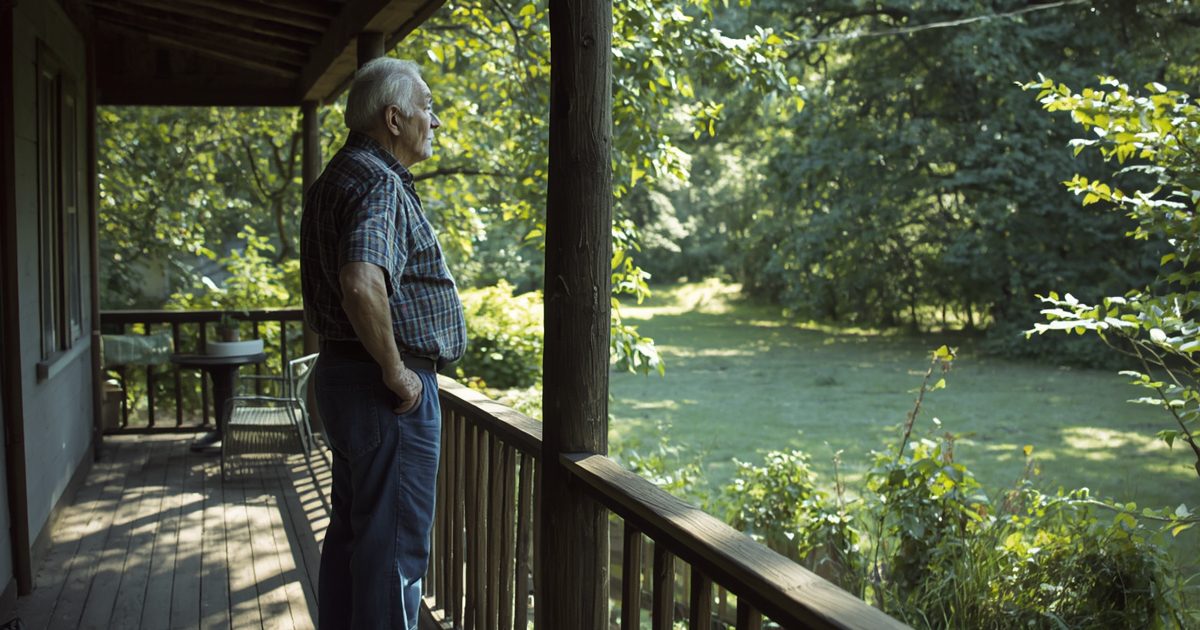
Few conversations are more difficult than discussing housing decisions with an aging parent.

The challenge isn’t usually a lack of love or concern.

In fact, the opposite is often true.

Adult children want their parents to remain safe and healthy. Parents want to maintain independence and continue making their own decisions. Both sides typically want the same thing but may have different ideas about how to achieve it.

If you’re helping an aging parent evaluate housing options, here’s where I recommend starting.

Watch a quick breakdown of this here.

Start with Goals, Not the House

One of the biggest mistakes families make is focusing on the house before discussing goals.

Before talking about selling, moving, remodeling, or downsizing, start by asking:

  • What matters most?
  • What does independence look like?
  • What concerns exist today?
  • What concerns may exist in the future?

When everyone understands the goals, the housing conversation becomes much easier.

Evaluate the Current Situation

The next step is taking an honest look at the home itself.

Consider:

  • Home maintenance requirements
  • Accessibility challenges
  • Stairs
  • Distance from healthcare
  • Distance from family support
  • Transportation needs

The goal isn’t finding problems.

The goal is understanding whether the current home is supporting long-term independence.

Explore All Available Options

Many families assume there are only two choices:

Stay or move.

In reality, there are often several possibilities.

Options may include:

  • Remaining in the home
  • Making accessibility modifications
  • Downsizing
  • Moving closer to family
  • Choosing a lower-maintenance property

Every family situation is different.

Remember That Emotions Matter

Housing decisions are rarely just financial decisions.

Homes hold memories.

They represent independence, accomplishments, and family history.

It’s important to recognize that emotional attachment is a normal and healthy part of the conversation.

Giving everyone time to process changes often leads to better outcomes.

Focus on Independence and Quality of Life

In my experience, the best housing decisions are the ones that balance:

  • Safety
  • Independence
  • Quality of life

The goal isn’t simply staying in the same home.

The goal is helping someone continue living the life they want for as long as possible.

There Is No One-Size-Fits-All Solution

Every family is different.

Every parent is different.

What works for one household may not work for another.

The most important thing is creating a thoughtful plan before a crisis forces a decision.

Related Resources

If you’re helping a parent evaluate whether their current home still fits their needs, you may also want to read:

5 Signs Your Home May No Longer Fit Your Lifestyle

You may also find this helpful:

Aging in Place: Does It Still Make Sense for You?

Final Thoughts

Helping an aging parent make housing decisions is rarely easy.

The conversations can be emotional, complicated, and sometimes uncomfortable.

But they are also important.

Starting early allows families to evaluate options thoughtfully rather than making rushed decisions during a crisis.

The best housing decisions usually begin with a simple question:

“What will best support independence, safety, and quality of life moving forward?”
Homeownership Tips & Planning • June 16, 2026

5 Signs Your Home May No Longer Fit Your Lifestyle

This article is part of my Housing Decisions series, where I help West Tennessee homeowners, retirees, empty nesters, and adult children navigate major housing transitions.

Many homeowners assume they will know exactly when it’s time to move.

In reality, the signs are often subtle.

There usually isn’t a single moment when someone wakes up and decides their home no longer fits their needs. More often, it’s a series of small frustrations, inconveniences, or changing priorities that slowly begin to add up over time.

The good news is that recognizing these signs doesn’t automatically mean you need to move.

It simply means it’s worth taking an honest look at whether your current home is still supporting the life you want to live.

Watch a quick breakdown of this here.


1. Home Maintenance Feels More Overwhelming Than Rewarding

For many homeowners, there was a time when maintaining the property felt satisfying.

Mowing the yard, cleaning gutters, maintaining landscaping, and tackling weekend projects may have been enjoyable.

Over time, however, those same tasks can begin to feel more like obligations than hobbies.

If you’re spending more time worrying about maintenance than enjoying your home, it may be worth evaluating whether your property still fits your lifestyle.

2. You’re Only Using a Small Portion of the Home

Many people purchase homes during a season of life that looks very different from today.

Children move out.

Guest rooms sit empty.

Formal spaces are rarely used.

It’s not uncommon for homeowners to realize they’re actively living in only a fraction of the house they maintain.

That doesn’t mean you need less space, but it is a good opportunity to ask whether your current home still aligns with your needs.

3. The Location No Longer Supports Your Lifestyle

A location that made perfect sense ten or twenty years ago may not be the ideal fit today.

Perhaps:

  • Your daily commute has changed
  • Family members now live elsewhere
  • Healthcare needs have become more important
  • Activities and interests have shifted

The home itself may still be wonderful, but the location may no longer support the way you want to live.

4. You’re Spending Money Maintaining Things You Don’t Need

Large homes, additional buildings, extensive landscaping, and extra acreage all require ongoing investment.

For some homeowners, those features are worth every penny.

For others, they become expenses that no longer provide the same value they once did.

If you’re consistently maintaining spaces, features, or property that no longer serve a meaningful purpose, it may be worth reassessing your priorities.

5. You Keep Thinking About Moving

This may be the most overlooked sign of all.

If the thought of moving keeps returning year after year, there is usually a reason.

Perhaps you’re curious about being closer to family.

Maybe you’d like less maintenance.

Perhaps you’ve been dreaming about a different lifestyle.

The goal isn’t to convince yourself to move.

The goal is to understand what is prompting those thoughts in the first place.

Sometimes the answer is that you’re exactly where you need to be.

Sometimes it’s not.

The Answer Isn’t Always Moving

It’s important to remember that identifying these signs doesn’t automatically mean you should sell your home.

In some cases, small changes can make a tremendous difference.

Others may find that a move creates new opportunities and a better quality of life.

Every situation is unique.

Related Resources

If you’re evaluating whether a move might make sense, you may also want to read:

Is It Time to Downsize? 7 Questions to Ask Yourself

If you’re considering different lifestyle options, this may help:

Country Living vs City Living in West Tennessee: Which Is Right for You?

Final Thoughts

The goal isn’t moving for the sake of moving.

The goal is making sure your home continues to support the life you want to live.

Sometimes that means staying exactly where you are.

Sometimes it means exploring new possibilities.

The most important thing is being intentional about the decision and making sure your home still fits your lifestyle, priorities, and future goals.

Homeownership Tips & Planning • Selling a Home in West Tennessee • June 11, 2026

Aging in Place: Does It Still Make Sense for You?

Many homeowners assume that aging in place means staying in the same house for the rest of their lives.

But aging in place is not really about a house.

It’s about maintaining independence, comfort, safety, and quality of life.

For some people, remaining in their current home is absolutely the right choice.

For others, a different home may actually provide greater independence and peace of mind.

If you’re evaluating your options, here are a few things worth considering.

Watch a quick breakdown of this here


What Aging in Place Really Means

Aging in place simply means living in a way that allows you to remain independent as your needs change over time.

That may happen in your current home.

It may happen in a different home.

The goal is not preserving an address.

The goal is preserving your independence.

Benefits of Staying in Your Current Home

There are many reasons people choose to remain where they are.

These may include:

  • Familiar surroundings
  • Established routines
  • Emotional attachment
  • Strong neighborhood connections
  • Proximity to friends and community

These are important considerations and should not be dismissed.

Home is more than a building.

It’s often tied to memories, relationships, and identity.

Challenges That Can Develop Over Time

While remaining in place may be the right decision, it’s also important to evaluate potential challenges.

These might include:

  • Stairs
  • Home maintenance
  • Large yards
  • Accessibility concerns
  • Distance from healthcare
  • Distance from family support

The question is not whether challenges exist today.

The question is whether the home will continue to support your needs in the years ahead.

Is Your Home Supporting Your Independence?

One of the most useful questions to ask is:

“Is my home helping me remain independent, or is it making independence more difficult?”

A home should support your lifestyle rather than create unnecessary obstacles.

Sometimes small modifications can solve the problem.

Other times a different property may provide a better long-term solution.

Considering All of Your Options

Many people assume there are only two choices:

  • Stay
  • Move

In reality, there are often many options in between.

Some homeowners:

  • Remodel for accessibility
  • Move closer to family
  • Choose a smaller property
  • Select a home with fewer maintenance requirements

Every situation is unique.

Related Resources

If you’re evaluating whether your current home still fits your lifestyle, you may also want to read:

Is It Time to Downsize? 7 Questions to Ask Yourself

If you’re comparing different living environments, this may help:

Country Living vs City Living in West Tennessee: Which Is Right for You?

Final Thoughts

Aging in place is not about staying in the same house forever.

It’s about preserving independence, safety, and quality of life.

The best decision is the one that supports your goals and allows you to continue living the life you want.

Whether that means staying where you are or considering other options, the key is making the decision thoughtfully and with a clear understanding of what matters most to you.

Homeownership Tips & Planning • June 9, 2026

Is It Time to Downsize? 7 Questions to Ask Yourself

When people hear the word “downsizing,” they often think about moving into a smaller home.

In reality, downsizing is not about square footage.

It’s about making sure your home still supports the way you live today and the way you want to live tomorrow.

For some people, the answer is to stay exactly where they are. For others, a move may create more freedom, less stress, and a better quality of life.

If you’ve been wondering whether it’s time to downsize, here are seven questions worth asking yourself.

Watch a quick breakdown of this here


1. Does Your Home Still Fit the Way You Live Today?

Many homeowners find themselves living very differently than they did when they purchased their home.

Children move out. Careers change. Hobbies evolve.

If large portions of your home sit unused most of the time, it may be worth evaluating whether your current space still fits your needs.

2. Are There Rooms You Rarely Use?

It’s common for homeowners to maintain guest bedrooms, formal dining rooms, or bonus spaces that are only used a few times each year.

There’s nothing wrong with having extra space, but it’s important to consider whether maintaining that space still makes sense for your lifestyle.

3. Is Home Maintenance Becoming a Burden?

One of the most common reasons people begin thinking about downsizing is maintenance.

Yard work, cleaning, repairs, and upkeep all require time, energy, and money.

Ask yourself:

  • Do I enjoy maintaining this property?
  • Is it becoming more difficult than it used to be?
  • Would I rather spend my time doing something else?

4. Would a Different Home Improve Your Quality of Life?

Sometimes a move isn’t about having less.

Sometimes it’s about having something that works better.

That might mean:

  • Fewer stairs
  • Less maintenance
  • Better accessibility
  • Being closer to family
  • Living closer to healthcare or services

The question isn’t whether the home is smaller.

The question is whether it improves your daily life.

5. Are You Staying Because You Want To—or Because Change Feels Difficult?

Moving is a major life decision.

It’s natural to feel attached to a home that holds years of memories.

But it’s important to separate emotional attachment from practical considerations.

Ask yourself whether you’re staying because it’s truly the best choice or simply because change feels uncomfortable.

6. How Important Is Being Close to Family?

For many people, relationships become increasingly important over time.

Some homeowners choose to move closer to children, grandchildren, siblings, or close friends.

Others prefer to remain where they are because of strong community ties.

Neither choice is wrong.

The key is being intentional about what matters most.

7. What Would Your Ideal Day Look Like?

This may be the most important question of all.

Imagine your ideal day.

Where would you live?

What would your routine look like?

How much time would you spend maintaining property versus enjoying hobbies, traveling, volunteering, or spending time with loved ones?

The answer often provides clarity.

Related Resources

If you’re comparing different lifestyles, you may also want to read:

Country Living vs City Living in West Tennessee: Which Is Right for You?

If you’re considering preparing a property for sale, this may help:

How to Prepare Your Home for Sale in West Tennessee

Final Thoughts

Downsizing is not about giving something up.

It’s about making sure your home supports the life you want to live.

For some people, that means staying exactly where they are.

For others, it means creating a new chapter in a home that better fits their needs.

The most important thing is making the decision intentionally and with confidence.

Relocating to West Tennessee • June 4, 2026

Acreage vs Subdivision Living: What Buyers Should Consider

Many buyers tell me they want acreage.

Sometimes they do.

Sometimes they really like the idea of acreage.

There is a difference.

Owning acreage can be incredibly rewarding, but it also comes with responsibilities that some buyers don’t fully anticipate.

Before deciding between acreage and subdivision living, it helps to understand the advantages and challenges of each.

Watch a quick breakdown of this here

Why Buyers Love Acreage

There are plenty of reasons acreage is popular in West Tennessee.

Buyers often enjoy:

  • Greater privacy
  • More space
  • Flexibility for future use
  • Recreational opportunities
  • Room for animals, gardens, and hobbies

For many people, acreage represents freedom and a lifestyle they simply cannot achieve in a traditional neighborhood.

What Buyers Sometimes Overlook

Acreage also comes with additional responsibilities.

Depending on the property, buyers may need to consider:

  • Mowing and maintenance
  • Equipment costs
  • Longer drive times
  • Septic systems
  • Well water
  • Internet availability

Many people love acreage once they understand the realities that come with it.

The key is making sure those responsibilities align with your lifestyle.

The Advantages of Subdivision Living

Subdivision living offers benefits that many buyers appreciate.

These often include:

  • Less maintenance
  • Convenient locations
  • Established neighborhoods
  • Easier access to shopping and services
  • A stronger sense of neighborhood community

For some buyers, convenience is more valuable than additional land.

Which Is Better?

Neither option is inherently better.

The right choice depends on:

  • Your lifestyle
  • Your priorities
  • Your budget
  • Your long-term plans

Someone who enjoys outdoor projects and privacy may love acreage.

Someone who values convenience and lower maintenance may prefer a subdivision.

Think Beyond the Property

One of the most important things I encourage buyers to consider is how they want to spend their time.

Do you want to spend weekends maintaining several acres?

Or would you rather spend that time traveling, enjoying hobbies, or relaxing?

There is no wrong answer.

There is only the answer that fits your goals.

Related Resources

If you’re comparing housing lifestyles, you may also want to read:

Country Living vs City Living in West Tennessee: Which Is Right for You?

If you’re considering rural communities, this may help:

Is Beech Bluff TN a Good Place to Live?

Final Thoughts

The goal isn’t finding the “best” property.

The goal is finding the best fit.

Understanding the differences between acreage and subdivision living can help you make a more confident decision and avoid surprises after you move.

If you’re considering either option in West Tennessee, I’d be happy to help you compare properties and determine which lifestyle makes the most sense for you.

Relocating to West Tennessee • June 2, 2026

Country Living vs City Living in West Tennessee: Which Is Right for You?

One of the most common conversations I have with buyers is whether they should purchase property in the country or stay closer to town.

The truth is there isn’t a right answer.

There is only the answer that fits your lifestyle, priorities, and long-term goals.

Some buyers dream of acreage, privacy, and wide-open spaces. Others prefer convenience, shorter commutes, and easy access to shopping and healthcare.

Before making a decision, it helps to understand the advantages of both.

Watch a quick breakdown of this here


The Benefits of Country Living

Many buyers are drawn to country living because of the space it provides.

Properties in areas like Beech Bluff, Pinson, and other rural communities often offer:

  • Larger lots
  • Acreage opportunities
  • More privacy
  • Less traffic
  • Room for outdoor activities

Country living can be especially appealing to buyers who enjoy gardening, hunting, fishing, raising animals, or simply having more space between themselves and their neighbors.

Many relocating buyers are surprised by how much land their budget can purchase in West Tennessee compared to larger metropolitan areas.

The Benefits of Living in Town

Living closer to town offers a different set of advantages.

Many buyers appreciate:

  • Shorter drives to work
  • Convenient shopping
  • More dining options
  • Easier access to healthcare
  • Less property maintenance

For busy professionals, retirees, and those who prefer convenience, living in town often makes everyday life simpler.

Many established neighborhoods in South Jackson offer excellent value while remaining close to the services people use most often.

Questions to Ask Yourself

Before deciding between country living and living in town, ask yourself:

  • How often do I drive into town?
  • How important is privacy?
  • Do I enjoy maintaining property?
  • Would I rather have land or convenience?
  • How much time do I want to spend commuting?

Your answers will often point you toward the lifestyle that fits best.

There Is No Perfect Choice

One mistake buyers sometimes make is assuming one option is better than the other.

In reality, both can be excellent choices.

The goal is not to find the “best” property.

The goal is to find the property that best supports the way you want to live.

Related Resources

If you’re considering a rural lifestyle, you may also want to read:

Is Beech Bluff TN a Good Place to Live?

If you’re comparing other housing options, this may help:

Acreage vs Subdivision Living: What Buyers Should Consider

Final Thoughts

Country living and city living both offer unique advantages.

The right choice depends on your lifestyle, priorities, and future plans.

As someone who works with buyers throughout West Tennessee, I help clients think through these decisions every day.

If you’re trying to decide which lifestyle fits you best, I’d be happy to help.

Uncategorized • May 28, 2026

Living in South Jackson TN: What Home Buyers Should Know

When buyers begin searching for homes in Jackson, Tennessee, one of the areas that often comes up in conversation is South Jackson.

Like many communities, South Jackson has developed a reputation over the years, both positive and negative. The reality is that many people form opinions about the area without spending much time there.

As someone who has worked throughout Jackson and personally prefers South Jackson, I believe it’s important for buyers to look beyond assumptions and evaluate neighborhoods based on facts, lifestyle, and their individual needs.

Watch a quick breakdown of this here


Why Many Buyers Consider South Jackson

One of the biggest advantages of South Jackson is value.

Many buyers discover they can often purchase:

  • More square footage
  • Larger lots
  • Established homes
  • Mature landscaping

while staying within their budget.

For buyers who want more home without stretching their finances, South Jackson frequently deserves a closer look.


Convenience Matters

South Jackson provides convenient access to many of the services people use every day.

Depending on the neighborhood, residents are often within a short drive of:

  • Grocery stores
  • Healthcare providers
  • Restaurants
  • Retail shopping
  • Major transportation routes

The area’s proximity to the Highway 45 Bypass also makes it convenient for commuting throughout Jackson and surrounding communities.


Established Neighborhoods and Variety

Another advantage of South Jackson is the variety of housing available.

Buyers can find:

  • Starter homes
  • Mid-range neighborhoods
  • Larger executive homes
  • Properties with acreage
  • Newer construction in selected areas

This variety allows buyers to compare multiple housing styles and price points without leaving the area.


Every Neighborhood Is Different

One of the biggest mistakes buyers make is evaluating an entire section of town as if every neighborhood is the same.

The reality is that neighborhoods vary significantly.

Factors such as:

  • Property maintenance
  • Home values
  • Lot sizes
  • Traffic patterns
  • Overall appearance

can differ from one subdivision to another.

That is why I always encourage buyers to evaluate specific neighborhoods rather than relying on broad assumptions.


Is South Jackson Right for You?

South Jackson may be a good fit if you value:

  • Convenience
  • Affordability
  • Established neighborhoods
  • Variety of housing options
  • Easy access to healthcare and shopping

As with any home purchase, the best choice depends on your goals, budget, and lifestyle preferences.


Related Resources

If you’re preparing to buy a home, you may also find these helpful:

7 Costly Mistakes Home Buyers Make in Tennessee (And How to Avoid Them)

How to Choose the Right Realtor in West Tennessee


Final Thoughts

South Jackson is often misunderstood.

While no area is perfect, many buyers discover that South Jackson offers excellent value, convenient access to amenities, and a wide variety of housing options.

The key is focusing on the specific neighborhoods that best fit your needs rather than making assumptions based on general perceptions.

For many buyers, South Jackson continues to be one of the strongest values in the Jackson area.

If you’re considering a move to South Jackson or anywhere in West Tennessee, I’d be happy to help you compare communities and find the area that best fits your goals.

Relocating to West Tennessee • May 26, 2026

Is Beech Bluff TN a Good Place to Live? A Local Perspective

If you’re considering a move to West Tennessee, there’s a good chance you’ve never heard of Beech Bluff until you started looking for homes.

That’s not surprising. Beech Bluff isn’t a place people typically discover while driving through. Most people find it because they’re looking for something specific: more space, more privacy, and a slower pace of life.

As someone who has lived in Beech Bluff for most of my life, I’m often asked whether it’s a good place to live.

For many people, the answer is absolutely yes.

Watch a quick breakdown of this here


What Makes Beech Bluff Different?

One of the biggest draws to Beech Bluff is the amount of space available compared to many nearby communities.

Buyers often find:

  • Larger lots
  • Acreage opportunities
  • More privacy
  • Less traffic
  • Room for outdoor activities

For those who feel crowded by city living, that extra space can make a significant difference in everyday life.

Many buyers relocating from larger cities are surprised by how much property their budget can purchase here compared to other parts of the country.


A Convenient Rural Location

Although Beech Bluff feels rural, it isn’t isolated.

Most residents can reach Jackson in approximately 15 to 25 minutes depending on their location.

That means easy access to:

  • Shopping
  • Restaurants
  • Healthcare
  • Entertainment
  • Employment opportunities

Many residents appreciate being close enough to town when they need it while still enjoying the benefits of country living.


The Community Feel

One thing many residents appreciate about Beech Bluff is the sense of community.

People tend to know their neighbors.

Community events remain important.

Life often moves at a slower pace than in larger cities.

While growth continues throughout West Tennessee, Beech Bluff has managed to maintain much of the character that attracted people here in the first place.


Things Buyers Should Consider

Every community has advantages and disadvantages.

Before moving to Beech Bluff, buyers should understand that:

  • Shopping typically requires a short drive
  • Dining options are more limited than in Jackson
  • Some properties may have septic systems or well water
  • Internet availability can vary depending on location

These factors aren’t necessarily negatives, but they are important considerations when deciding whether country living is the right fit.


Who Is Beech Bluff Best Suited For?

In my experience, Beech Bluff appeals most to people who value:

  • Privacy
  • Space
  • Larger properties
  • Rural surroundings
  • A quieter lifestyle

It’s especially attractive to buyers who want acreage, outdoor recreation opportunities, or simply a little more room between themselves and their neighbors.


Related Resources

If you’re considering other nearby communities, you may also want to read:

Pros and Cons of Living in Pinson TN

If you’re planning a move to the area, this guide may help:

Moving to West Tennessee: What You Need to Know Before You Relocate


Final Thoughts

Beech Bluff isn’t for everyone.

If you want to walk to restaurants or have every convenience just around the corner, another community may be a better fit.

But if you’re looking for space, privacy, a strong sense of community, and convenient access to Jackson, Beech Bluff can be a wonderful place to call home.

As someone who has lived here for decades, it’s a community I’m proud to recommend to the right buyers.

If you’re considering a move to Beech Bluff or anywhere in West Tennessee, I’d be happy to help answer your questions.

Selling a Home in West Tennessee • May 21, 2026

5 Mistakes Home Sellers Make Before Listing Their Home in West Tennessee

Preparing to sell a home involves more than putting a sign in the yard. The decisions made before a property ever reaches the market can have a significant impact on price, timing, and overall results.

As a REALTOR® serving West Tennessee, my goal is to help sellers avoid common mistakes and position their homes for success.

Watch a quick breakdown of this here:


1. Overpricing the Home

Pricing too high often leads to:

  • Fewer showings
  • Longer time on market
  • Price reductions later

The best strategy is to price based on current market conditions and buyer expectations.


2. Delaying Needed Repairs

Minor issues can create doubt in buyers’ minds.

Addressing obvious maintenance concerns before listing helps your home present more confidently.


3. Spending Too Much on Upgrades

Not every improvement provides a strong return.

Before investing significant money, it is wise to discuss which updates are likely to matter most to buyers.


4. Ignoring Presentation

Cleanliness, decluttering, and overall presentation play a major role in how buyers perceive a property.

First impressions matter.


5. Hiring an Agent Without Understanding Their Strategy

Every agent works differently.

Before choosing an agent, understand:

  • Their marketing approach
  • Communication style
  • Pricing strategy
  • Process for guiding you from listing to closing

Related Resources

If you are getting your home ready, you may also want to read:
How to Prepare Your Home for Sale in West Tennessee

If you’d like to understand how I work with clients, this may help:
What It’s Like to Work with a Realtor in West Tennessee


Final Thoughts

Selling a home is a major decision, and preparation plays a critical role in the outcome.

Avoiding these five mistakes can help you save time, reduce stress, and achieve a stronger result.

If you are considering selling in Beech Bluff, Pinson, South Jackson, or anywhere in West Tennessee, I would be happy to help you create a strategy that fits your goals.

Education • May 19, 2026

7 Costly Mistakes Home Buyers Make in Tennessee (And How to Avoid Them)

Buying a home is one of the largest financial decisions most people will ever make. While the process can be exciting, there are several common mistakes that can lead to unnecessary stress, delays, and additional expense.

As a REALTOR® serving West Tennessee, I help buyers make clear, confident decisions and avoid costly mistakes throughout the process.

Watch a quick breakdown of this here:


1. Looking at Homes Before Getting Pre-Approved

Many buyers begin searching online before speaking with a lender.

Getting pre-approved early helps you:

  • Understand your true budget
  • Strengthen your offers
  • Focus on homes that fit your price range

It also prevents disappointment later.


2. Focusing Only on the Purchase Price

The monthly payment includes more than principal and interest.

Buyers should also consider:

  • Property taxes
  • Homeowners insurance
  • Utilities
  • Maintenance costs

Looking at the full financial picture leads to better decisions.


3. Falling in Love with the House Before the Location

The house can be changed. The location cannot.

Before making an offer, consider:

  • Commute times
  • Access to services
  • Lifestyle preferences
  • Future resale appeal

4. Overlooking Property Condition

Even beautiful homes can have underlying issues.

The inspection process is designed to help buyers understand the property’s condition and make informed decisions.


5. Making Major Financial Changes During the Loan Process

Avoid:

  • Opening new credit accounts
  • Financing vehicles or furniture
  • Changing jobs without consulting your lender

These changes can affect loan approval.


6. Ignoring Rural Property Considerations

In areas like Beech Bluff and Pinson, buyers may encounter:

  • Septic systems
  • Well water
  • Variable internet availability
  • Larger acreage maintenance

Understanding these factors is important.


7. Waiting Too Long to Act

Well-priced homes that meet your needs may not stay available for long.

Being prepared allows you to move confidently when the right property appears.


Related Resources

If you’re relocating, this is a great place to start:
Moving to West Tennessee: What You Need to Know Before You Relocate

If you’re choosing an agent, you may also want to read:
How to Choose the Right Realtor in West Tennessee


Final Thoughts

Buying a home does not have to feel overwhelming.

With the right preparation and guidance, you can avoid common mistakes and move forward with confidence.

If you are planning to buy in Beech Bluff, Pinson, South Jackson, or anywhere in West Tennessee, I would be honored to help.